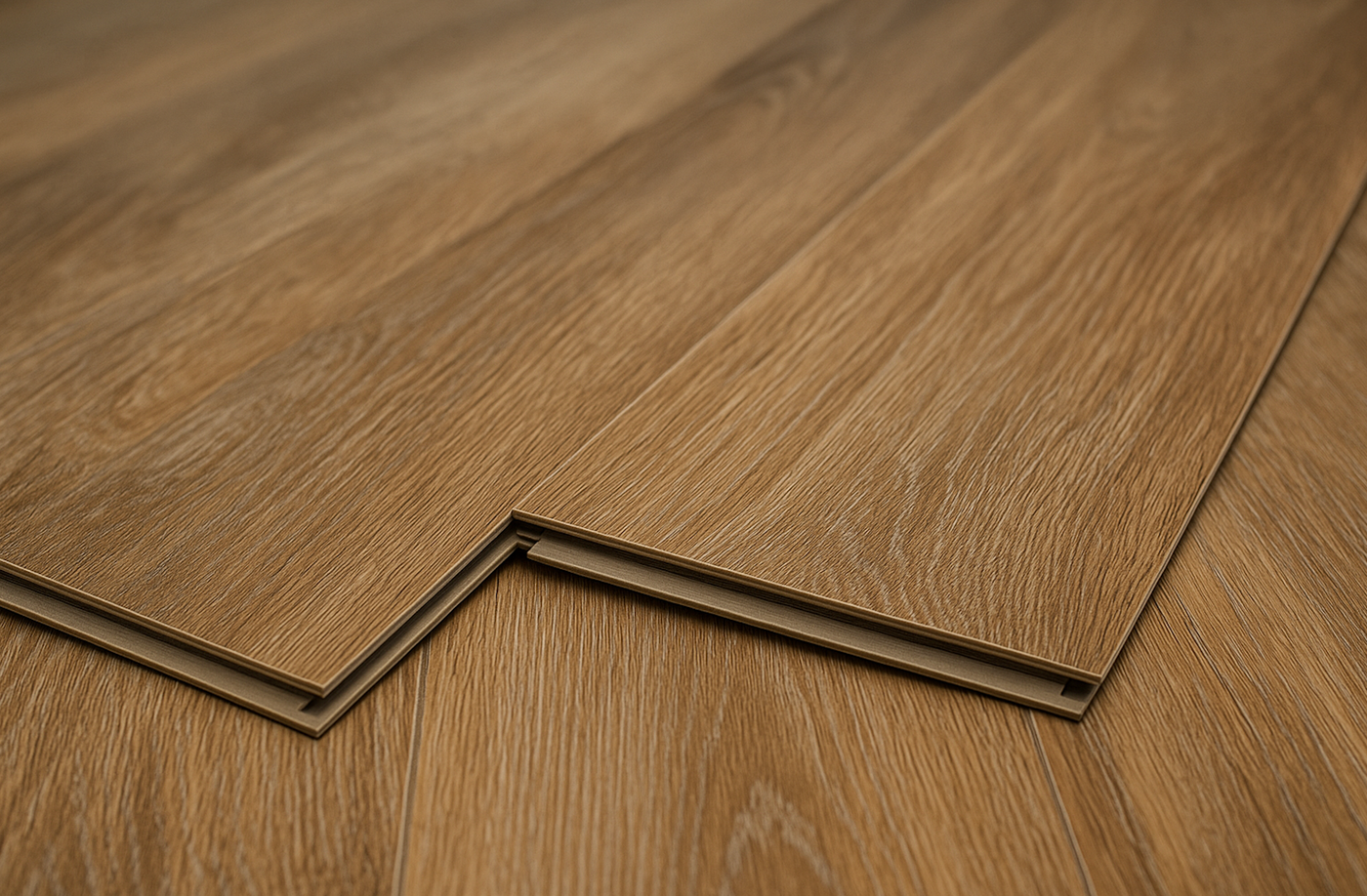
Flooring technology has come a long way, and one of the most popular innovations among Canadian homeowners today is click lock vinyl flooring. Designed for simplicity, durability, and beauty, this modern flooring option combines the look of hardwood with the waterproof benefits of vinyl, without the need for messy adhesives or nails. Whether you are finishing a basement, updating a condo, or tackling a DIY renovation, click lock systems make installation easier and more precise than ever before.
In this post, we will walk you through everything you need to know about click lock vinyl flooring: its pros, cons, installation tips, and how it performs in Canadian homes through changing climates.
What is Click Lock Vinyl Flooring?
Click lock vinyl flooring is a floating floor system where each plank connects to the next using interlocking edges. The "click" mechanism secures each piece tightly together, forming a seamless surface that does not require glue or staples. The planks rest on the subfloor with underlayment beneath, making it easy to install over most existing surfaces, including concrete, plywood, or even tile.
Unlike traditional vinyl sheet flooring, these planks come in a variety of sizes and finishes, often with textured surfaces and realistic wood grains. Many premium options are also 100% waterproof, making them ideal for basements, kitchens, bathrooms, and other moisture-prone spaces.
Advantages of Click Lock Vinyl Flooring
1. Easy Installation for Homeowners and Contractors Alike
One of the biggest selling points of click lock vinyl flooring is its simplicity. The planks are designed to snap together securely without glue, nails, or specialized tools. For experienced DIYers, this means you can install a new floor in a weekend with minimal cleanup. For contractors, it means faster installations, less downtime, and fewer callbacks for repairs.
2. Perfect for the Canadian Climate
Canada's varying climate, from humid summers to dry, cold winters, can be challenging for flooring. Click lock vinyl's layered construction resists expansion and contraction better than natural wood. Its waterproof core also prevents damage caused by snow, rain, or humidity tracked inside during winter months. This makes it especially popular in provinces like British Columbia and Ontario, where temperature swings are common.
3. Waterproof and Family Friendly
Modern click lock vinyl flooring is made from durable WPC or SPC (Stone Plastic Composite) materials. Both types are fully waterproof and stand up to spills, pet accidents, and routine cleaning. That makes them a favourite for busy families, pet owners, and anyone who wants a low-maintenance, long-lasting floor. At Caledon Floors, we prefer WPC as it is warmer underfoot, easier to work with, and quieter, among other positives.
4. Stylish and Realistic Designs
Vinyl flooring has evolved dramatically in appearance. Today's planks feature embossed textures, realistic wood patterns, and rich colour variations that rival traditional hardwood. You can choose from rustic oak, warm walnut, coastal driftwood, or ultra-modern grey tones, all with an authentic look that complements any interior.
5. Sound and Comfort Benefits
Compared to tile or laminate, click lock vinyl flooring feels warmer and softer underfoot. Many premium options include built-in underlayment or are paired with acoustic backing that helps reduce sound, which is especially useful in condos, basements, or multi-level homes.
Disadvantages to Consider
While there is a lot to love, it is worth understanding a few potential drawbacks before making your decision.
1. Not Ideal for Uneven Subfloors
Because it is a floating floor, click lock vinyl requires a flat, stable subfloor. Any dips or uneven areas can cause the planks to separate or wear prematurely. Always level the subfloor before installation or use a suitable underlayment to smooth minor imperfections.
2. Follow Proper Installation Method
Even though it is ideal for DIY and professionals alike, it does require some rules that need to be followed. Improper installation, for example not allowing for expansion gaps, can result in a failed installation.
3. Moisture Sensitivity
While click lock vinyl performs very well in most environments, excessive water exposure, like in a bathroom, is where the floating floor nature of the product becomes a real risk. When water gets trapped underneath a floating click lock floor, the vinyl plank itself is fine, since it's waterproof, but the trapped moisture between the floor and the subfloor is not. Left there, it can lead to mold and mildew, which is a real problem even though the visible flooring is undamaged. In a wet environment, it is better to have glued down or sealed flooring to avoid water being trapped underneath the floor.
4. Not Refinishable Like Hardwood
Once installed, click lock vinyl flooring cannot be sanded or refinished. If a plank becomes damaged, it must be replaced. However, thanks to its modular design, replacing a few planks is quick and relatively simple.
Types of Click Lock Vinyl Flooring
SPC (Stone Plastic Composite)
SPC click lock vinyl is extremely rigid, stable, and resistant to temperature changes. It is made from a limestone-based core and performs exceptionally well in high-traffic areas. It is ideal for condos, retail stores, and basements, and usually comes with sound-rated underlayment attached.
WPC
WPC is warmer and more comfortable underfoot than harder rigid cores like SPC. It is often thicker than SPC and provides better sound absorption and better warmth, making it well suited to bedrooms, living rooms, or main floors where comfort matters. Installers often prefer WPC vinyl flooring since it is easier to work with, and it usually comes with sound-rated underlayment attached for better acoustics.
Laminate Flooring
Laminate flooring is almost always a click lock product, though laminate itself is not vinyl, so it is a different category from what this guide covers. It is worth mentioning because it is one of the most common click lock flooring types in the industry. If you see a click lock product while shopping, it may or may not be waterproof vinyl, so it is worth confirming the flooring type before you buy.
Preparing for Installation
Before installing click lock vinyl flooring, preparation is key. Follow the steps below for the best results, and always follow your specific product's recommended installation instructions first. This is a basic general guide for information purposes only. Your product's own guidelines take priority, and watching installation videos from the manufacturer can also help.
-
Acclimate the Planks
Store the unopened boxes in the room for at least 48 hours. This allows the material to adjust to the room's temperature and humidity. -
Inspect and Clean the Subfloor
Make sure the subfloor is dry, clean, and level. Remove debris, nails, or old adhesive residue that could interfere with plank alignment. A level subfloor is one of the most important things to get right for a successful flooring installation. -
Underlayment
Ensure a high-quality built-in underlayment, especially in condos, to help meet sound rating requirements. Check with your strata for its specific requirements. -
Plan Your Layout
Measure the room and plan your starting line. Use a chalk line to ensure the first row is straight, since this helps every subsequent row align properly. Walls are often assumed to be straight, but especially in older homes, they frequently are not. Dropping a chalk line first helps avoid installing off an uneven wall, which is a common error. Understand the width of your room before you begin. If you need to rip your final row, make sure the ripped plank is at least 2 inches wide, ideally more, or the click lock mechanism will not stay properly engaged. This is why laying planks out ahead of time to project how the final row will look matters, and why it is worth using a professional if you are unsure. Finally, plan your layout so that plank pattern repeats do not end up side by side, since vinyl flooring patterns do repeat and your layout should account for that.
Installation Guide
Step 1: Lay the First Row
Begin in the left corner of the room with the tongue side facing the wall. Use spacers to maintain a small expansion gap, usually about 1/4 inch, around the perimeter. This allows for natural movement due to temperature changes.
Step 2: Click and Lock the Planks
Insert the tongue of the next plank into the groove of the previous one at a slight angle, then press down until you hear a click. Continue this process across the row. This is a general guide for information purposes only, so always follow your specific product's recommended installation instructions.
Step 3: Stagger Seams
For a natural look and added stability, stagger the seams between rows by at least 8 inches, ideally 12 inches or more. This prevents weak points and enhances the finished appearance.
Step 4: Trim as Needed
Use a chop saw to trim the final planks to fit the wall space. For tight corners or door frames, measure carefully and make precise cuts. Always leave expansion joints.
Step 5: Install the Final Row
Measure the width of the last row and trim planks as needed. Use a pull bar to lock the last row securely in place. Always allow for expansion space. If you need to rip your final row, make sure the ripped plank is at least 2 inches wide, ideally more, or the click lock mechanism will not stay properly engaged. This is why planning your layout ahead of time matters.
Step 6: Finish with Mouldings and Transitions
Install baseboards, quarter rounds, and transition strips to cover expansion gaps and complete the look. Reinstall doors or trim pieces once the flooring is set.
Maintenance and Care Tips
Proper maintenance ensures your click lock vinyl flooring looks great for years.
-
Sweep or vacuum regularly to remove dirt and grit.
-
Use pH-neutral vinyl floor cleaners, and avoid waxes or harsh chemicals.
-
Wipe up spills quickly to prevent slipping or staining.
-
Use felt pads under furniture to prevent scratches.
-
Avoid dragging heavy items across the floor.
With basic care, these floors can last 15 to 25 years or more, especially when you start with high-quality planks.
Where Click Lock Vinyl Flooring Shines in Canada
-
Living rooms, bedrooms, and basements: 100% waterproof and stable in fluctuating humidity.
-
Condos: Great for acoustic performance and floating installation.
-
Kitchens and bathrooms: Durable, easy to clean, and stylish.
-
Cottages: Handles temperature swings and seasonal closures.
Many Canadian homeowners appreciate that click lock vinyl flooring bridges the gap between affordability and high-end design, delivering a warm, comfortable surface without the cost or maintenance of natural hardwood.
Conclusion
If you are looking for a beautiful, practical, and resilient flooring solution for your home, click lock vinyl flooring is a standout choice. It offers easy DIY installation, waterproof performance, and a wide range of design options suited to the Canadian lifestyle. Whether you are renovating a cozy basement suite or updating a modern living room, this versatile flooring option provides long-term value and lasting comfort.
For the fuller buying picture, including how core type, wear layer thickness, and certifications affect the floor beyond installation, see our complete vinyl plank flooring buyer's guide, which compares Uniclic and Valinge 5G locking systems in more depth.