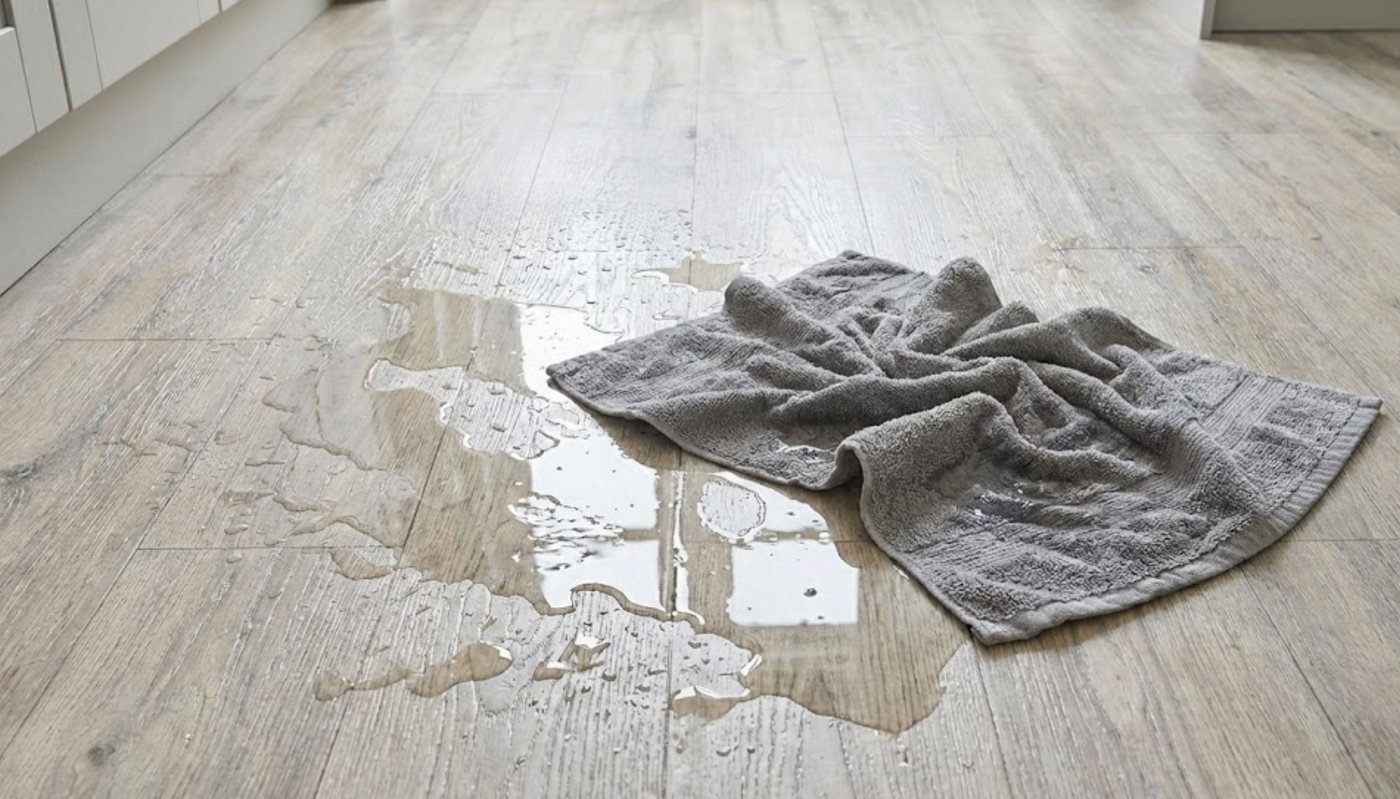
Waterproof flooring has become one of the most searched flooring solutions in Canada, especially for homeowners looking for durability, low maintenance, and long-term performance. As lifestyles evolve and homes become more multifunctional, flooring must withstand moisture, spills, temperature changes, and daily wear without compromising appearance or comfort.
While waterproof flooring can be an excellent choice, not all products perform the same way. Understanding how waterproof flooring works, where it performs best, and where limitations exist is essential before making a decision.

This guide explains waterproof flooring in practical terms, helping homeowners make informed choices based on real-world conditions rather than marketing claims.
What Does Waterproof Flooring Actually Mean?
Waterproof flooring generally refers to flooring materials designed to resist damage when exposed to moisture. This typically means the product itself does not absorb water easily and can maintain structural integrity when exposed to spills or humidity.
However, waterproof does not always mean immune to every form of water exposure. Flooring performance depends on several factors, including:
-
Product construction
-
Installation method
-
Subfloor conditions
-
Duration of water exposure
Understanding these differences helps prevent unrealistic expectations.
Common Types of Waterproof Flooring
Several flooring categories are commonly marketed as waterproof. Each performs differently depending on environment and use.
Vinyl Flooring
Vinyl flooring is one of the most popular waterproof flooring options available today. It is designed to resist moisture and performs well in areas such as bathrooms, kitchens, basements, and laundry rooms.
Vinyl flooring typically includes multiple layers that contribute to stability and moisture resistance. When installed correctly, it can handle everyday spills and humidity with minimal risk. Vinyl flooring includes WPC click lock floating floors, SPC click lock, loose lay vinyl and dryback vinyl.
WPC Vinyl Flooring
WPC vinyl flooring is often chosen for its comfort and stability. It performs particularly well in residential environments where temperature fluctuations are common.
Our WPC vinyl flooring uses a stable, higher-quality composite core that improves durability and moisture resistance.
This construction allows the floor to maintain its shape and performance even in changing conditions. This is a floating floor and one of the most popular options in Canada. Great for premium and budget projects, depending on the thickness of the planks. This is a floating floor and usually has underlayment pad attached.
SPC Vinyl Flooring
SPC flooring uses a rigid core that offers excellent dimensional stability. While highly durable, it can feel firmer and colder underfoot compared to WPC options. The choice between WPC and SPC often depends on comfort preferences and the intended use of the space. SPC Vinyl flooring is often thinner and lower purchase price. Great for budget projects. This is a floating floor and usually has pad attached.

Where Waterproof Flooring Works Best
Waterproof flooring is commonly used in areas where moisture is a concern.
Bathrooms
Bathrooms are one of the most common areas for waterproof flooring. When installed properly, it can handle daily exposure to moisture and humidity. However, standing water should always be addressed promptly to prevent moisture from migrating beneath the surface.
Kitchens
Kitchens benefit from waterproof flooring because of spills, cleaning routines, and heavy foot traffic. Vinyl-based products offer a balance of durability and comfort.
Basements
Basements often experience fluctuating humidity levels. Waterproof flooring helps reduce concerns related to moisture, provided the subfloor is properly prepared.
Limitations to Understand Before Choosing Waterproof Flooring
While waterproof flooring performs well in many environments, it is not completely immune to moisture-related issues.
Moisture Beneath the Surface
Floating floors can allow water to migrate beneath the planks if moisture is not addressed quickly. Over time, this can contribute to odours or subfloor concerns.
Installation Quality Matters
Even the best flooring can fail if installed incorrectly. Proper subfloor preparation, expansion spacing, and sealing around fixtures are essential for long-term performance.
Not All Spaces Are Equal
High-moisture commercial environments or areas with frequent standing water may require alternative solutions designed specifically for those conditions.
Waterproof Flooring Compared to Other Flooring Types
Waterproof Flooring vs Tile
Tile offers excellent moisture resistance but can feel cold and hard underfoot. Waterproof vinyl flooring provides a warmer, more forgiving surface while still offering moisture resistance.
Waterproof Flooring vs Laminate
Standard laminate is generally less suitable for wet areas. Some modern laminates offer water resistance, but vinyl typically provides greater protection against moisture.
Waterproof Flooring vs Engineered Hardwood
Engineered hardwood can be suitable for some environments but is more sensitive to moisture compared to waterproof flooring options.
Comfort and Daily Living Considerations
One reason homeowners choose waterproof flooring is comfort. Many products offer slight cushioning, making them more comfortable to stand on for extended periods.
They also tend to reduce noise compared to harder surfaces, which can be especially beneficial in multi-level homes.
Maintenance and Care
Maintaining waterproof flooring is relatively simple. Regular sweeping or vacuuming removes debris, and damp mopping helps maintain cleanliness.
Avoid harsh chemicals or abrasive tools that could damage the surface finish.

Is Waterproof Flooring Right for Your Home?
Waterproof flooring can be an excellent solution for many Canadian homes, especially in areas where moisture exposure is expected. However, selecting the right product and ensuring proper installation are critical to long-term satisfaction.
Understanding both the benefits and limitations allows homeowners to make informed, confident decisions.
Final Thoughts
Waterproof flooring offers durability, flexibility, and peace of mind when chosen thoughtfully. By understanding how different products perform and where they work best, homeowners can select flooring that supports both their lifestyle and long-term comfort.
Choosing the right flooring is not about finding a perfect solution, but about finding the most appropriate one for your specific needs.
To find waterproof vinyl flooring in Canada, click here for a Caledon Floors dealer near you